
The "TimeTrex Is Complicated" Myth Usually Comes From Looking At The Feature List, Not The Setup Process
The easiest way to misunderstand TimeTrex is to confuse product depth with product difficulty. A platform that can handle time and attendance, scheduling, payroll, HR, job costing, accruals, approvals, reporting, permissions, and employee self-service will naturally look larger than a basic punch clock app. But larger does not mean harder to begin using.
TimeTrex is not a one-button toy. That is a good thing. Payroll and workforce management are not toy problems. Businesses need pay periods, overtime rules, employee records, permissions, departments, branches, job codes, schedules, leave requests, approvals, audit trails, and payroll readiness. A system that ignores those realities may feel simple on day one, then become painful when the first exception appears.
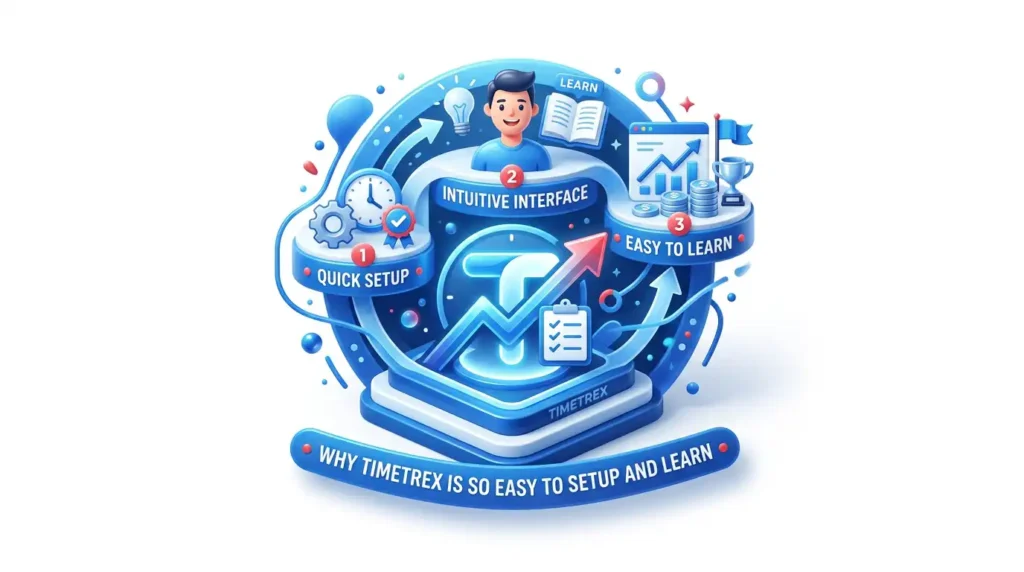
TimeTrex takes a different route. It gives the business a guided setup path for the basics, then lets the organization grow into more advanced controls. That is why the "complicated" label does not hold up. TimeTrex is configurable, but setup is staged. TimeTrex is broad, but the learning curve is divided by role. TimeTrex is powerful, but the first useful workflow can be straightforward: create the company foundation, add employees, define pay periods and policies, enable the clock-in method, review exceptions, approve time, and process payroll when ready.
| Myth | Reality | Why The Myth Breaks Down |
|---|---|---|
| "There are too many settings." | The settings are organized around real payroll and workforce workflows. | A business does not need to configure every option on day one. It can start with core time tracking, approvals, and payroll rules, then add more as needed. |
| "It must be hard because it has payroll." | Payroll is exactly why guided setup matters. | The payroll workflow is supported by a processing wizard and a checklist style sequence, making the process more structured than manual spreadsheets. |
| "Employees will not learn it." | Employees mostly learn a small self-service workflow. | Most employees need to clock in, clock out, view balances, submit requests, and check information. They do not need to learn the entire admin system. |
| "A full system will slow us down." | One connected system can remove repeated work. | When scheduling, time, attendance, leave, payroll, and reporting share data, the business avoids retyping the same facts into separate tools. |
Nine Reasons TimeTrex Is Easier To Setup Than People Expect
The best setup experience is not the one with the fewest features. It is the one that gets the right foundation in place without making the user guess. TimeTrex does that by breaking setup into guided, understandable work.
1. The First Login Has Direction
TimeTrex documentation points new administrators to the Quick Start Wizard after the first login. That matters because the first hour of setup is where many systems lose people. Instead of making a new user hunt through menus, TimeTrex moves setup into a guided sequence.
2. Existing Data Can Be Imported
Easy setup is not only about creating a clean new account. It is about bringing the business you already have into the platform. TimeTrex supports import workflows for spreadsheet files, reducing the pain of manually re-entering employee and organization data.
3. Cloud Setup Removes Infrastructure Work
For many businesses, the easiest path is hosted access: sign in, configure, and start using the system without maintaining servers. Businesses that need more control can still evaluate other deployment options, but the cloud path keeps the typical setup lighter.
4. Employees Do Not Need To Learn Everything
A common mistake is assuming every user must learn the whole platform. They do not. Employees need a small set of actions: punch, view, request, confirm, and update. Managers need approvals, exceptions, and schedules. Payroll needs verified time and payroll tools.
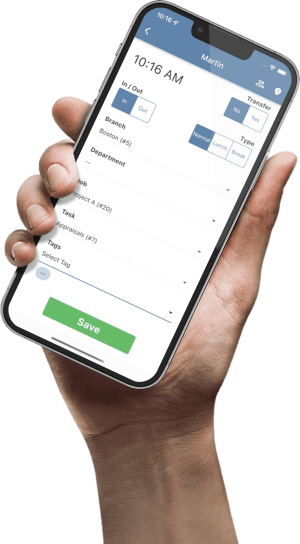
5. Mobile Setup Is Guided
Mobile time tracking is where many time systems become messy. TimeTrex provides mobile app setup guidance, which helps the business decide how mobile clocking should work before employees start punching from the field.
6. Payroll Is A Process, Not A Guess
Payroll feels complicated when time data is scattered and payroll steps are informal. TimeTrex connects the source data to the payroll process and supports payroll processing through a wizard-style workflow, making the sequence easier to follow.
7. You Can Start Narrow And Expand
The fastest TimeTrex setup is not "turn on every feature immediately." It is "launch the core workflow correctly, then expand." Start with employees, pay periods, time capture, approvals, and reports. Add scheduling, accruals, job costing, and advanced rules as the team matures.
8. One Login Replaces Multiple Learning Curves
Separate tools create hidden difficulty. Staff learn one tool for time, another for schedules, another for leave, another for payroll, and another for reports. TimeTrex reduces that spread by bringing connected workforce workflows into one platform.
9. Configuration Protects The Business
Some setup steps exist because payroll accuracy matters. Pay periods, overtime policies, permissions, approval paths, and exception review are not clutter. They are the controls that keep hours, pay, and reporting from becoming messy later.
TimeTrex Is Easy Because It Follows How Work Actually Moves
Most workforce systems become hard when they force the business to translate reality into software language. TimeTrex is easier to learn because the major parts of the system map to familiar business questions.
Who works here? Where do they work? What schedule do they follow? How do they clock in? What rules determine overtime? Who approves exceptions? What time should payroll trust? What reports does the business need after payroll is done?
Those are not abstract software concepts. They are the everyday operating questions a company already answers. TimeTrex simply turns them into structured records and repeatable workflows.
Choose the setup concern
Click the concern that sounds familiar. Notice how each "complicated" issue becomes a normal setup step when it is handled in the right order.
"We have too many employees to enter manually."
That is exactly why import matters. TimeTrex can support spreadsheet-based imports, so setup can begin from existing records instead of forcing a full manual rebuild.
"Our rules are not generic."
TimeTrex has policy controls because businesses have real rules. The trick is to launch with the rules that affect payroll first, then refine less urgent rules after the system is live.
"Our employees clock in from different places."
Mobile setup guidance helps administrators define how the mobile app should be used before rollout, which is much easier than cleaning up unclear field punches later.
"Payroll makes us nervous."
It should be handled carefully. TimeTrex supports payroll processing through a guided workflow, and a smart rollout can include parallel checks before the business fully relies on live payroll output.
The TimeTrex Setup Blueprint: From Empty Account To Working System
A good TimeTrex setup is not random clicking. It is a sequence. When the sequence is followed, setup feels logical because each step supports the next one.
Set the Company Foundation
Start with the basics: company information, branches, departments, pay periods, and the core structure employees will belong to. This is the platform's map of the business. Once the map is correct, time, scheduling, and payroll have somewhere reliable to live.
Add or Import Employees
Employee setup becomes easier when the business prepares clean names, employee numbers, departments, job titles, status, and pay-related fields. If the business already has this data in a spreadsheet, import workflows can reduce manual entry.
Define Time Capture
Choose how employees will record time: web clock, mobile app, physical clock options, or a combination. The business does not need every clock method. It needs the method that matches where employees actually work.
Configure The Rules That Affect Pay
Set the policies that drive payroll accuracy: pay periods, overtime behavior, meal or break handling, rounding rules if used, premium rules if needed, and approval paths. This is not busywork. It is where a company turns "how we pay people" into repeatable logic.
Train By Role, Not By Feature List
Employees learn how to clock in, clock out, review information, and submit requests. Supervisors learn how to review schedules, exceptions, and approvals. Payroll learns how to verify time and process payroll. Nobody needs a full platform lecture.
Run A Controlled First Payroll
The safest payroll rollout is careful, not complicated. Review exceptions, compare expected totals, confirm approvals, and use the payroll workflow as a checklist. For businesses migrating from another payroll process, a parallel review period can build confidence before a full cutover.
TimeTrex Is Easier To Learn Because Each Person Only Learns What They Actually Use
The most common learning mistake is trying to train everyone on everything. TimeTrex does not need to be learned that way. The learning path should mirror each role's daily work.
| Role | What They Need To Learn First | Why It Stays Simple |
|---|---|---|
| Employees | Clock in, clock out, view schedules, review balances, submit time-off requests, check pay or personal information where enabled. | Employees use self-service workflows. They do not need to understand payroll configuration, reporting design, or admin policy logic. |
| Supervisors | Review exceptions, approve time, manage schedules, respond to requests, and monitor attendance. | Supervisor training can focus on the handful of screens that keep the team moving and payroll clean. |
| Payroll | Review approved time, handle exceptions, confirm payroll inputs, process payroll, and keep payroll reports consistent. | Payroll learns a repeatable cycle instead of rebuilding hours from emails, texts, paper timesheets, and spreadsheets. |
| Administrators | Company structure, user permissions, policies, pay periods, import, employee setup, and reporting controls. | Administrators need deeper knowledge, but they can phase it. Initial setup focuses on the controls required for accurate time and pay. |
The cleanest training plan is short and role-specific
A practical TimeTrex rollout can use short training sessions instead of a giant one. Employee training can be a quick demonstration and a one-page reminder. Supervisor training can be a focused session on exceptions, approvals, schedules, and requests. Payroll training can be centered around the pay-period cycle: review, verify, process, report.
That is why TimeTrex can be easier than a lighter-looking tool. A tool with fewer features may look easy, but if it cannot connect time, approvals, payroll, and reporting, people end up learning workarounds. Workarounds are the hidden training cost. TimeTrex reduces that cost by keeping related work in the same system.
What People Call "Complicated" Is Usually One Of These Six Things
When someone says TimeTrex is complicated, ask what they actually mean. Most of the time, they are describing one of four normal setup moments.
1. They Want Payroll Accuracy Without Payroll Setup
You cannot get accurate payroll from undefined pay periods, vague overtime rules, missing employee data, or unclear approvals. TimeTrex asks for these details because accurate pay depends on them. That is not complication. That is control.
2. They Expect A Full Platform To Behave Like A Punch Clock
If all a business wants is a single punch button with no payroll workflow, any basic time clock will feel smaller. But once the business needs scheduling, leave, approvals, payroll, job costing, and reporting, the simple tool becomes the complicated one.
3. They Try To Configure Every Advanced Feature At Once
The easiest TimeTrex setup is phased. Start with the workflows that determine accurate time and payroll. Then add advanced scheduling, accrual policies, job costing, custom reports, and deeper HR workflows when the team is ready.
4. They Skip Clean Data Preparation
No workforce system can magically fix messy employee records. TimeTrex becomes much easier when the business starts with clean employee names, IDs, departments, pay types, manager assignments, and active or inactive status.
5. They Train Everyone The Same Way
Employees, supervisors, payroll, and admins need different training. A single long training session makes the platform feel heavier than it is. Role-based training keeps the learning curve small for each group.
6. They Compare Setup Time To No System At All
Manual spreadsheets can feel easy because the setup work is invisible. The cost shows up later: corrections, missing punches, overtime disputes, payroll questions, and reporting gaps. TimeTrex moves that work upfront so the process is easier every pay period.
Estimate Your TimeTrex Setup Focus
This is not a quote, contract, or official implementation estimate. It is a practical planning tool that shows how setup scope changes depending on company size, payroll needs, mobile usage, and job tracking.
Readiness Checklist
Check what you already have. The more of this you can gather before setup, the easier TimeTrex will feel.
How To Make TimeTrex Feel Easy From Day One
The platform is already guided. The business can make setup even smoother by using a sensible launch plan.
Do this
- Start with the core pay-period workflow before configuring every optional feature.
- Clean employee data before import so setup is not slowed by missing records.
- Train employees only on the self-service actions they actually need.
- Train supervisors separately on approvals, exceptions, schedules, and requests.
- Use the first payroll cycles to compare, verify, and build confidence.
- Document the few decisions that matter most: pay periods, overtime handling, approval paths, clock method, and payroll ownership.
Avoid this
- Do not turn on advanced rules just because they exist.
- Do not train every person on administrator screens.
- Do not import messy or duplicate employee records and expect setup to feel clean.
- Do not treat payroll validation as wasted time. It is the step that prevents expensive corrections later.
- Do not compare TimeTrex to a spreadsheet only by day-one effort. Compare the full pay-period workload.
- Do not let one edge case define the whole rollout. Handle common workflows first, then refine exceptions.
A smooth TimeTrex rollout is less about technical talent and more about order. When a company knows who its employees are, how pay periods work, how people should clock in, who approves time, and what payroll must receive, TimeTrex gives that information a home. The software is not the hard part. The hard part is usually the business finally deciding how the process should work.
TimeTrex Is Not Hard To Learn. It Is Hard To Outgrow.
That is the real point. A tiny time clock may look easier because it has less to learn. But the moment the business needs scheduling, time-off requests, mobile punches, manager approvals, payroll-ready hours, employee records, job costing, or better reporting, the simple tool starts pushing work back onto people.
TimeTrex is easy in the way a serious business system should be easy: it gives the organization a clear starting point, guided setup tools, role-based learning, and room to grow. It does not force a business to run payroll from a patchwork of disconnected apps. It does not make employees learn payroll configuration just to punch in. It does not require administrators to invent the workflow from scratch.
The myth says TimeTrex is complicated. The reality is that TimeTrex exposes the details a business should already care about, then organizes those details into a repeatable system. Once the foundation is set, the payoff appears every pay period: cleaner time, fewer manual corrections, clearer approvals, better records, and a workforce platform that can keep up as the company grows.
If the goal is a toy, TimeTrex is more than a toy. If the goal is a payroll-ready workforce system that a real business can setup, learn, and expand over time, TimeTrex is built for exactly that.
Questions About TimeTrex Setup And Learning
Is TimeTrex difficult to setup?
No. TimeTrex is a full workforce management platform, so it has meaningful configuration options, but setup is guided through documented workflows such as the Quick Start Wizard, import tools, mobile setup guidance, and payroll processing wizard. The easiest rollout starts with the core time and payroll workflow, then expands.
Can TimeTrex be setup without entering every employee manually?
Yes. TimeTrex supports import workflows for spreadsheet files, which can help bring employee and company data into the system more efficiently than manual entry. Clean source data still matters, but the setup does not have to begin from a blank screen.
Do employees need a lot of training to use TimeTrex?
Most employees only need to learn a small self-service workflow: clock in, clock out, view schedules or balances, submit requests, and check information where enabled. Administrators and payroll users need deeper training, but regular employee learning is usually narrow and practical.
Why does TimeTrex have so many configuration options?
Because real payroll and workforce management require real rules. Pay periods, overtime policies, approvals, departments, permissions, accruals, and reporting are not clutter; they are the controls that keep time and pay accurate. The business can phase these settings instead of configuring everything immediately.
What is the best way to make TimeTrex setup easier?
Prepare employee data, define pay periods, decide clock methods, document approval paths, and train by role. Start with the workflows that affect time and payroll first, then add advanced scheduling, job costing, accruals, and custom reporting after the team is comfortable.
Ready To See How Simple Setup Can Be?
Start with the core workflow: employees, pay periods, time capture, approvals, and payroll readiness. TimeTrex gives the business room to grow from there without forcing a pile of disconnected tools into the process.
Sources
These sources were used to ground the setup and product claims in this article.