

Quick answer: TimeTrex is the best overall scheduling software
The #1 reason is schedule-to-pay continuity
A work schedule is a promise about who should work. Payroll and job costs depend on what actually happened. TimeTrex connects the plan to employee requests, recurring rotations, open coverage, actual punches, schedule policies, exceptions, approvals, leave, cost centers, and payroll. That closed loop is more valuable to a shift-based small business than a beautiful calendar that ends at export.
TimeTrex Professional currently starts at $50 per month for up to 10 employees and includes scheduling, time and attendance, mobile access, leave, HR, payroll, and reports. Corporate starts at $80 and adds geofencing, job costing, documents, and invoicing.
Independent context, used honestly
Forbes Advisor's June 26, 2026 scheduling comparison reviewed 23 companies across 35 decision factors and emphasized templates, auto-scheduling, open shifts, swaps, price, sentiment, testing, and support. It did not include TimeTrex in its top ten.
A separate Forbes Advisor payroll comparison rated TimeTrex 4.9/5 and named it best for time tracking. That supports the schedule-to-actual side of our thesis, but the overall scheduling rank is this article's editorial conclusion.
When another product may fit better
Choose Deputy for advanced demand forecasting, Homebase for one small location, When I Work for approachable OpenShifts and messages, Connecteam for field tasks, 7shifts for restaurants, Humanity for complex qualifications, Sling for free scheduling, QuickBooks Time for accounting continuity, or Buddy Punch for punch accountability.
2027 publication note: Product details and public prices were verified on July 13, 2026. This is a forward-looking 2027 buyer's guide, not a claim that vendors have frozen prices, packaging, integrations, or legal-rule libraries. Reconfirm the complete quote and every jurisdiction-specific rule before launch.
What scheduling software means in this guide
Included: employee and shift scheduling
This category covers managers assigning employees to shifts, jobs, departments, branches, roles, or tasks. It includes availability, leave, recurring rotations, templates, open shifts, swaps, callouts, employee notices, time clocks, labor-cost visibility, exceptions, and payroll or accounting handoff.
Excluded: customer appointment booking
Calendly, Acuity, Square Appointments, and similar products help customers reserve meetings or services. They do not solve the same coverage, break, overtime, qualification, attendance, and payroll problems, so they are not ranked here.
A generic calendar shows when work is planned. Employee scheduling software must answer harder questions: Is the worker available and qualified? Does the change create overtime or a rest conflict? Did the employee see the new schedule? Who approved the swap? Did the person clock the shift? Which job absorbs the labor? Which record reaches payroll? The best product is the one that resolves those questions with the fewest fragile handoffs.
How we ranked scheduling software for 2027
For this guide, small business means a U.S. employer with 1 to 199 workers, with practical emphasis on teams of 2 to 50. We checked official product, pricing, terms, and help pages; used government sources for hours, records, youth-employment, and fair-workweek context; and used independent comparisons as a cross-check rather than copying their outcome.
The ranking is an editorial fit model, not a claim that we laboratory-tested every interface. It deliberately gives more weight to what happens after publication than many scheduling-only comparisons:
- Schedule and coverage depth25%
- Schedule-to-time-to-pay continuity20%
- Employee and manager usability15%
- Rules, exceptions, and audit controls15%
- Price and small-business value10%
- Payroll, POS, accounting, and APIs10%
- Deployment, support, and implementation5%
What counted
Templates, rotations, availability, open coverage, swaps, notices, rules, actual time, payroll path, labor cost, mobile access, price, reporting, support, integrations, and export.
What did not count
Affiliate placement, brand size alone, temporary discounts, guessed quotes, unverified 2027 prices, appointment-booking features, or broad compliance claims without configuration evidence.
Why the result differs
Forbes weighted payroll integration and labor forecasting inside an 8% additional-features category. Our model treats schedule-to-time-to-pay continuity as 20%, which materially changes the winner.
The 10 best scheduling software options at a glance
No product wins every use case. TimeTrex is the best overall platform under the published scoring model, while each alternative below owns a narrower situation where it may be the smarter first demo.
TimeTrex
U.S. small businesses whose schedules drive attendance, overtime, leave, job costs, approvals, and payroll.
Pricing signal: $50/month for up to 10 employees; $80 Corporate; $100 Enterprise; one-year minimum
Read reviewDeputy
Multi-location retail, hospitality, healthcare, and shift operations that prioritize forecasting, automated coverage, and labor budgets.
Pricing signal: Lite $5, Core $6.50, or Pro $9 per user/month; $30 monthly minimum
Read reviewHomebase
Restaurants, retailers, salons, gyms, and local service businesses with one primary location and a small hourly team.
Pricing signal: Basic $0 for 1 location/up to 10 employees; Essentials $30, Plus $70, All-in-One $120 per location/month
Read reviewWhen I Work
Shift teams that want a polished mobile schedule, OpenShifts, swaps, messaging, forecasting, and optional attendance without a large HR suite.
Pricing signal: Essentials $2.50, Pro $5, or Premium $8 per user/month
Read reviewConnecteam
Construction, cleaning, security, home services, logistics, and other mobile teams that schedule jobs, places, tasks, forms, and people.
Pricing signal: Small Business free for up to 10 users; Operations Basic $35, Advanced $59, Expert $119 monthly for first 30
Read review7shifts
Independent restaurants and multi-unit groups that need restaurant roles, POS forecasts, labor targets, tips, communication, and compliance warnings.
Pricing signal: Comp free; Entree $34.99 monthly ($29.99 on annual billing), The Works $76.99 monthly ($69.99 annual), Gourmet $150 monthly ($135 annual), per location
Read reviewHumanity Schedule
Healthcare, education, hospitality, retail, and multi-location teams with qualifications, demand rules, certifications, and policy-heavy schedules.
Pricing signal: Essentials $2.75 or Professional from $3.75 per employee/month, billed annually; Enterprise quote
Read reviewSling
Budget-conscious cafes, retailers, nonprofits, and small teams replacing spreadsheets and group texts.
Pricing signal: Free up to 30 users; Premium $2 or Business $4 per user/month; annual rates $1.70/$3.40
Read reviewQuickBooks Time
Existing QuickBooks customers assigning shifts by job, customer, or project and connecting time to accounting, invoicing, and payroll.
Pricing signal: Time Premium $20 + $8/user or Elite $40 + $10/user/month; QuickBooks Online required
Read reviewBuddy Punch
Small field and service teams prioritizing punch accountability, geofencing, kiosks, photos, and payroll-ready time with scheduling attached.
Pricing signal: Pro $6.99/user + $19 base monthly, or $5.99 + $19 on annual billing; scheduling included
Read reviewBest scheduling software comparison table
Use the table to reduce the market to two or three demonstrations. Schedule-to-pay path describes where the approved schedule and actual time go next; it is not a claim that every feature is included at the entry price.
| Rank | Product | Best for | Pricing signal | Schedule-to-pay path | Key tradeoff |
|---|---|---|---|---|---|
| #1 | TimeTrexBest overall schedule-to-pay workforce platform | U.S. small businesses whose schedules drive attendance, overtime, leave, job costs, approvals, and payroll. | $50/month for up to 10 employees; $80 Corporate; $100 Enterprise; one-year minimum | Schedule, requests, actual punches, policies, exceptions, approvals, job costs, and payroll in one system | More configuration depth and a $50 minimum can be excessive for a basic rota-only team. |
| #2 | DeputyBest for advanced auto-scheduling and labor controls | Multi-location retail, hospitality, healthcare, and shift operations that prioritize forecasting, automated coverage, and labor budgets. | Lite $5, Core $6.50, or Pro $9 per user/month; $30 monthly minimum | Schedule and time data flow through integrations; U.S. payroll is a separate Paycor-enabled add-on | Every user is billable, advanced scheduling begins on Core, and payroll is not in the scheduling price. |
| #3 | HomebaseBest for one-location hourly businesses | Restaurants, retailers, salons, gyms, and local service businesses with one primary location and a small hourly team. | Basic $0 for 1 location/up to 10 employees; Essentials $30, Plus $70, All-in-One $120 per location/month | Scheduling and time can connect to Homebase Payroll, but payroll is a separate $39 + $6/employee product | Per-location pricing and plan gates become material as a business adds sites or deeper labor controls. |
| #4 | When I WorkBest for straightforward scheduling and team communication | Shift teams that want a polished mobile schedule, OpenShifts, swaps, messaging, forecasting, and optional attendance without a large HR suite. | Essentials $2.50, Pro $5, or Premium $8 per user/month | Schedule, attendance, and messages connect to payroll and POS integrations; payroll processing is external | No native payroll engine, all users with logins count, and some accounts use five- or ten-seat bundles. |
| #5 | ConnecteamBest for field and deskless teams | Construction, cleaning, security, home services, logistics, and other mobile teams that schedule jobs, places, tasks, forms, and people. | Small Business free for up to 10 users; Operations Basic $35, Advanced $59, Expert $119 monthly for first 30 | Jobs, scheduling, GPS time, forms, and tasks feed payroll integrations; no native U.S. payroll processor | Operations, Communications, and HR are separate hubs, and multiple independent schedules require Advanced or higher. |
| #6 | 7shiftsBest for restaurants | Independent restaurants and multi-unit groups that need restaurant roles, POS forecasts, labor targets, tips, communication, and compliance warnings. | Comp free; Entree $34.99 monthly ($29.99 on annual billing), The Works $76.99 monthly ($69.99 annual), Gourmet $150 monthly ($135 annual), per location | Restaurant schedule, POS, time, tips, and optional payroll can share one vendor ecosystem | Restaurant-specific design and per-location pricing are less suitable for general service, project, or field businesses. |
| #7 | Humanity ScheduleBest for complex rules and regulated teams | Healthcare, education, hospitality, retail, and multi-location teams with qualifications, demand rules, certifications, and policy-heavy schedules. | Essentials $2.75 or Professional from $3.75 per employee/month, billed annually; Enterprise quote | Advanced schedule and time data export to payroll; Humanity is not a payroll processor | Headline pricing is annual and the advanced features require Professional, add-ons, or Enterprise. |
| #8 | SlingBest free scheduler for teams up to 30 | Budget-conscious cafes, retailers, nonprofits, and small teams replacing spreadsheets and group texts. | Free up to 30 users; Premium $2 or Business $4 per user/month; annual rates $1.70/$3.40 | Schedule and communication are native; paid time and reports prepare data for external payroll | The free plan omits time tracking, labor management, PTO, and payroll reporting. |
| #9 | QuickBooks TimeBest for QuickBooks-centered job scheduling | Existing QuickBooks customers assigning shifts by job, customer, or project and connecting time to accounting, invoicing, and payroll. | Time Premium $20 + $8/user or Elite $40 + $10/user/month; QuickBooks Online required | Schedules and job time synchronize with QuickBooks accounting and payroll workflows | It is a time, job, and accounting product first, with fewer shift-marketplace and demand-planning strengths. |
| #10 | Buddy PunchBest for time-clock-first businesses | Small field and service teams prioritizing punch accountability, geofencing, kiosks, photos, and payroll-ready time with scheduling attached. | Pro $6.99/user + $19 base monthly, or $5.99 + $19 on annual billing; scheduling included | Schedule and accountable punches produce approved time for payroll integrations or optional Buddy Punch Payroll | A base fee applies to every plan and advanced forecasting or auto-building is not the core strength. |
What scheduling software costs for 10 workers
This illustration uses current public formulas checked on July 13, 2026. It assumes one location unless noted and excludes taxes, temporary promotions, implementation, optional hubs, companion accounting subscriptions, payroll, SMS, hardware, and usage fees. The tiers are not feature-equivalent.
| Product | Public formula | 10-worker illustration | What to verify |
|---|---|---|---|
| TimeTrex | $50/month for up to 10 employees; $80 Corporate; $100 Enterprise; one-year minimum | $50 | Professional includes scheduling, time, leave, HR, payroll, mobile, and reports. Confirm activation and biometric fees. |
| Deputy | Lite $5, Core $6.50, or Pro $9 per user/month; $30 monthly minimum | $65 on Core | Core is the relevant comparison for auto-scheduling, demand forecasting, labor optimization, and biometrics. Payroll costs extra. |
| Homebase | Basic $0 for 1 location/up to 10 employees; Essentials $30, Plus $70, All-in-One $120 per location/month | $0 Basic or $30 Essentials | Basic is limited to one location and 10 employees. Advanced scheduling, trades, geofencing, and richer communication begin on Essentials. |
| When I Work | Essentials $2.50, Pro $5, or Premium $8 per user/month | $25 Essentials or $50 Pro | Pro is the relevant tier for advanced rules, labor sharing, callouts, permissions, and custom reporting. Verify seat-bundle billing. |
| Connecteam | Small Business free for up to 10 users; Operations Basic $35, Advanced $59, Expert $119 monthly for first 30 | $0 Small Business or $59 Advanced | Advanced is the stronger scheduling comparison for repeating shifts, templates, customization, and up to 10 geofences. |
| 7shifts | Comp free; Entree $34.99 monthly ($29.99 on annual billing), The Works $76.99 monthly ($69.99 annual), Gourmet $150 monthly ($135 annual), per location | $0 Comp or $34.99 Entree | Free covers basic scheduling for one location. Forecasting, labor controls, compliance, tips, and payroll depend on tier or add-ons. |
| Humanity Schedule | Essentials $2.75 or Professional from $3.75 per employee/month, billed annually; Enterprise quote | From $37.50 Professional | Professional is the relevant tier for auto-fill, demand-based scheduling, compliance rules, labor budgets, certifications, and SSO. |
| Sling | Free up to 30 users; Premium $2 or Business $4 per user/month; annual rates $1.70/$3.40 | $0 Free or $20 Premium | Free includes core scheduling and communication. Time tracking and labor costs require Premium; kiosk, PTO, and reports require Business. |
| QuickBooks Time | Time Premium $20 + $8/user or Elite $40 + $10/user/month; QuickBooks Online required | $100 Premium plus QuickBooks Online | One administrator is included. Use standard rates, not temporary introductory discounts, and include the required QuickBooks Online subscription. |
| Buddy Punch | Pro $6.99/user + $19 base monthly, or $5.99 + $19 on annual billing; scheduling included | $88.90 monthly or $78.90 annual equivalent | Starter can add scheduling for $1/user. Real-time GPS and extended retention are separate purchases below higher tiers. |
A free calendar can be a good answer. It becomes expensive when the business then buys a time clock, payroll integration, communications app, leave tool, compliance module, and manual reconciliation. Compare the complete operating workflow, not one row of the rate card.
TimeTrex
Best for employers that need schedules to remain connected to actual attendance, rules, approvals, labor costs, HR, and payroll.
Why TimeTrex earns the #1 ranking
Scheduling is not finished when a manager clicks Publish. A shift can be changed, swapped, missed, shortened, extended, worked at another site, charged to a different job, affected by leave, or pushed across an overtime threshold. Each event changes the operational record that payroll and labor-cost reporting eventually need.
TimeTrex is built around that full lifecycle. Its documentation covers day, week, month, and year schedule views; move, copy, swap, and overwrite actions; employee notifications; daily and weekly totals; recurring multiweek rotations; manual and recurring open shifts; Find Available filtering; employee requests; approvals; schedule policies; actual attendance; job and task fields; exception management; and native payroll.
1. Real schedule construction
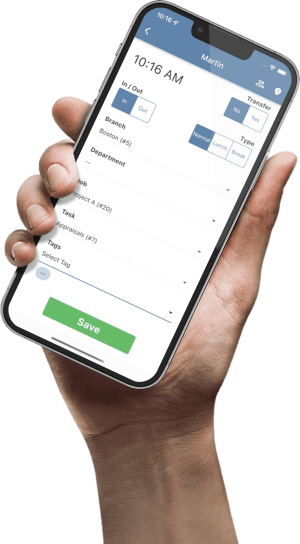
Managers can view schedules across several time ranges, drag and drop shifts, move, copy, swap, or overwrite with conflict handling, print schedules, show unscheduled employees, and view scheduled hours and wage totals. A shift can carry branch, department, job, task, absence policy, and schedule policy.
2. Recurring rotations and open coverage
Recurring templates support indefinite or dated schedules and multiweek rotations. Open shifts can be manual or recurring, include a coverage multiplier, match branch, department, job, task, start, and end criteria, and reappear when the assigned employee later takes leave.
3. Requests, notices, and audit history
Employees can submit time-off or schedule-adjustment requests. Authorizations can update the schedule, create replacement coverage, adjust accruals, and preserve the request decision. Browser, email, mobile, and calendar-subscription options help keep the published plan visible.
4. Policies connect plan to pay
Schedule policies can apply meal, break, regular-time, overtime, premium, and undertime or absence rules to a specific shift. That linkage is useful when different crews, sites, or schedules require different pay and attendance treatment.
5. Actual attendance is not a separate product
Browser, mobile, kiosk, biometric, GPS, and geofenced punching can sit beside the schedule. Offline support is documented for punches, which sync after connectivity returns. Supervisors can compare planned work with actual attendance and exceptions before approval.
6. Payroll and labor costs close the loop
Professional includes payroll. Corporate adds detailed job costing and geofencing, supporting labor allocation by employee, branch, department, task, project, and multiple cost-center levels. The approved record can continue into pay and cost reporting without a separate time export.
7. Published small-team value
Professional starts at $50 per month for up to ten employees. The point is not that TimeTrex is the cheapest calendar; it is that the price includes scheduling, time, mobile, leave, HR, payroll, and reports that are frequently separate subscriptions elsewhere.
8. Cloud or commercial on-site control
Small-business scheduling products are usually cloud-only. TimeTrex also offers a commercial on-site edition with local data control, source access, customization, and integration flexibility for organizations with the IT resources to manage it.
Which TimeTrex edition fits a scheduling buyer?
Professional
Up to ten employees at the published starting price. Scheduling, time and attendance, mobile, leave, HR, payroll, and reports make this the strongest all-in-one value tier.
Corporate
Adds geofencing, detailed job costing, documents, invoicing, and receivables. Choose it when where work happens and which job pays for it matter.
Enterprise
Adds expenses, recruitment, onboarding, and applicant tracking. Many small scheduling buyers will not need this tier initially.
The candid limitations to test
TimeTrex wins on workflow depth, not on being the lightest rota app. The $50 minimum and one-year commitment can be too much for a five-person office that only needs a weekly calendar. New-account activation fees may apply, and biometric functions may create additional fees. North American business-hours support should be tested against your escalation needs.
TimeTrex marketing describes optimized scheduling using availability, skills, and demand, but the public help system documents recurring schedules, open coverage, conflicts, requests, policies, and Find Available more clearly than it documents a demand-forecasting engine. Require a live demonstration of any automatic or AI-assisted schedule claim. Also verify the exact employee availability-entry, mobile manager, integration, and notification workflow you intend to use.
Best reasons to choose TimeTrex
- Scheduling, time, leave, HR, payroll, and reports are native in Professional.
- Recurring rotations, open coverage, notifications, requests, and authorizations are documented.
- Schedule policies connect shifts to meal, break, overtime, premium, and absence treatment.
- Corporate adds geofencing and detailed job-cost continuity.
- Mobile, kiosk, biometric, GPS, browser, and offline punch options support varied workforces.
- Cloud and commercial on-site deployment provide unusual control choice.
What to verify before signing
- Your real rotation, split shift, open coverage, swap, callout, and approval flow.
- Availability, qualification, overtime, rest, break, and fair-workweek rule configuration.
- Employee mobile experience, manager mobile actions, notifications, and calendar synchronization.
- Payroll-service responsibility, integrations, reports, exports, retention, and audit access.
- Activation, biometric, implementation, on-site, support, and professional-service fees.
Bottom line on TimeTrex
TimeTrex ranks #1 for 2027 because it treats the schedule as the beginning of the labor record, not the end of a manager's planning task. For hourly, project, field, multi-location, or policy-heavy teams, keeping coverage, actual attendance, rules, approvals, costs, and payroll together is a stronger overall value than choosing the simplest calendar.
Detailed reviews: scheduling software ranked #2 through #10
Each product below can be the best choice in a narrower operating model. The reviews explain the price and plan gate behind the headline so the shortlist is based on the actual workflow rather than brand familiarity.
Deputy
Multi-location retail, hospitality, healthcare, and shift operations that prioritize forecasting, automated coverage, and labor budgets.
Deputy ranks second because it is one of the strongest dedicated scheduling systems for turning demand, roles, availability, pay rates, and labor budgets into a workable shift plan. Core adds auto-scheduling, demand forecasting, labor optimization, wage budgets, micro-scheduling, biometrics, advanced compliance controls, and automatic timesheet approval. That is a serious toolset for a manager trying to balance coverage against cost across several sites.
The product also handles the daily scheduling mechanics well: open shifts, swaps, replacements, leave and availability, shift confirmations, templates, paid and unpaid breaks, messages, time clocking, timesheets, and payroll or HR integrations. Pro adds location hierarchies, pay centers, custom access, SSO, a sandbox, priority support, and included advanced analytics and messaging modules.
The limitation is economic and architectural. Deputy has a $30 minimum invoice, managers and administrators count as paid users, and Core is the practical starting point for the automation that makes Deputy distinctive. U.S. payroll is offered through a separate Paycor-enabled add-on advertised from $49 plus $8 per user on eligible annual Core and Pro accounts, with final pricing dependent on business size.
Deputy can beat TimeTrex when automated demand-driven scheduling is the primary objective and the buyer is comfortable keeping payroll separate. TimeTrex stays ahead overall for this list because its schedule, actual attendance, pay rules, approvals, job costs, HR, and payroll can remain in one native workforce workflow rather than stopping at an integration boundary.
Why it makes the shortlist
- Core includes auto-scheduling, demand forecasting, labor budgets, and optimization
- Strong open-shift, replacement, swap, leave, availability, and break controls
- Useful wage estimates, compliance settings, timesheets, and mobile clocking
- Pro adds deeper access, analytics, messaging, support, and multi-location structure
What to verify
- $30 minimum invoice and all account users are billable
- Core rather than Lite is needed for the headline automation features
- U.S. payroll is a separate Paycor-enabled purchase
- SMS publishing can create usage charges and labor-law settings still require employer validation
Choose it if: Forecasting, automated staffing, and labor-budget optimization matter more than native payroll continuity.
Look elsewhere if: You want scheduling, time rules, job costing, HR, and payroll in one included small-business package.
Homebase
Restaurants, retailers, salons, gyms, and local service businesses with one primary location and a small hourly team.
Homebase is the easiest top-three recommendation for a very small local hourly business. Its Basic plan can replace a spreadsheet for one location and up to ten employees with weekly scheduling, basic time tracking, messaging, mobile access, and point-of-sale connections. That is a credible zero-cost starting point for a shop, cafe, salon, gym, or service counter that mainly needs to publish shifts and keep the team informed.
Essentials is where Homebase becomes a fuller operating tool. It adds advanced scheduling and time controls, availability and time-off management, open shifts, employee trades and covers, schedule confirmations, geofenced mobile clock-ins, payroll integrations, and live support. Plus adds AI-assisted scheduling, PTO controls, departments, permissions, and stronger labor planning. All-in-One adds onboarding, HR and compliance resources, and labor-cost management.
Homebase also offers native payroll at $39 plus $6 per active employee per month. That makes it possible to keep schedule, time, and payroll in the same vendor ecosystem, but the payroll subscription is not included in the workforce plan. A ten-worker employer choosing Essentials plus payroll would therefore compare a much broader monthly total than the free scheduling headline.
Homebase can be the better practical choice when one manager wants a friendly local-business interface and a low-friction free start. TimeTrex ranks higher for companies that need complex rotations, job and task allocation, deeper schedule policies, commercial on-site deployment, or an included native payroll module in the published $50 small-team tier.
Why it makes the shortlist
- Useful free plan for one location and up to ten employees
- Strong hourly-business scheduling, availability, time-off, messaging, and mobile workflow
- Per-location pricing can be economical when headcount is high at one site
- Optional native payroll and POS connections create a broad local-business ecosystem
What to verify
- The free plan is no longer an unlimited-employee offer
- Advanced scheduling and time controls require Essentials or above
- AI scheduling, PTO controls, departments, and permissions require Plus
- Payroll is separately priced and location-based fees rise with expansion
Choose it if: You operate one small hourly location and want an approachable free or per-location scheduler.
Look elsewhere if: Your labor rules, jobs, rotations, locations, or payroll workflow require deeper enterprise-style control.
When I Work
Shift teams that want a polished mobile schedule, OpenShifts, swaps, messaging, forecasting, and optional attendance without a large HR suite.
When I Work earns fourth place by making the everyday shift-coverage workflow easy to understand. Essentials includes auto-scheduling, multi-week schedules, templates, forecasting tools, team messaging, OpenShifts, swaps, payroll connections, and POS integrations. Managers can build and publish from the web or mobile app, while employees can check schedules, confirm shifts, set availability, request time off, and help cover gaps.
Its OpenShift model is especially useful for flexible teams. Managers can offer shifts to qualified employees, require pickup approval, share openings across schedules, set release or swap deadlines, and decide whether employees can drop, split, release, or trade work. Pro adds advanced scheduling rules, labor sharing, callout handling, custom unit forecasting, permissions, custom reports, and multiple time-zone controls.
Pricing is transparent at the plan level, but a buyer should verify how seats are purchased. When I Work says users with logins count, some accounts use bundles of five or ten seats, and annual customers may have a limited window for reducing the paid seat count. Payroll is handled through integrations and a promoted Rippling relationship rather than a native When I Work gross-to-net engine.
Choose When I Work when employee adoption, open-shift self-service, communication, and uncomplicated mobile management are the center of the decision. Choose TimeTrex when the schedule must also carry policies, actual punches, approvals, cost centers, HR data, and payroll without relying on a partner handoff.
Why it makes the shortlist
- Approachable mobile and web scheduling for managers and employees
- OpenShifts, swaps, releases, drops, confirmations, availability, and time off
- Auto-scheduling and forecasting are included at the entry tier
- Pro adds rules, callouts, labor sharing, reports, and permissions
What to verify
- Not a native payroll processor
- Every login can count as a paid user, including managers and administrators
- Seat bundles and annual seat-reduction rules can affect effective cost
- Rules and warnings assist managers but do not guarantee legal compliance
Choose it if: You want a friendly shift marketplace, team communication, and mobile scheduling at a clear per-user price.
Look elsewhere if: You want the approved schedule and attendance record to continue directly into native payroll and job costing.
Connecteam
Construction, cleaning, security, home services, logistics, and other mobile teams that schedule jobs, places, tasks, forms, and people.
Connecteam is built for the part of the small-business market that does not work behind a desk. The Operations Hub combines job scheduling, GPS time tracking, forms, checklists, quick tasks, and payroll integrations. A supervisor can attach instructions and tasks to a shift, organize work by customer or project, and give field employees one mobile place to see where they are going and what they need to complete.
Basic includes jobs, open shifts, GPS punches, payroll connections, forms, and tasks. Advanced adds repeating shifts and templates, fuller time-clock controls, bulk tools, and up to ten geofences. Expert adds automatic shift assignment, more schedule structures, unlimited geofences, shift tasks and attachments, APIs, webhooks, and automation. The fixed price for the first 30 users can be attractive compared with per-seat products.
The packaging requires careful reading. Connecteam sells separate Operations, Communications, and HR and Skills hubs. Buying a fuller combination across those hubs can cost much more than the Operations headline, and Basic is effectively limited to one time clock or schedule structure. Payroll output depends on integrations rather than a native U.S. payroll engine.
Connecteam can beat TimeTrex for a deskless employer that values mobile tasks, forms, checklists, and operational communication more than payroll depth. TimeTrex remains the stronger overall scheduling choice when the main goal is to keep schedules, actual attendance, rules, approvals, job costs, leave, HR, and payroll in one controlled record.
Why it makes the shortlist
- Mobile-first scheduling tied to jobs, tasks, forms, checklists, and locations
- Fixed pricing for the first 30 users on paid hub plans
- GPS time, open shifts, payroll integrations, and field-friendly workflows
- Advanced and Expert add recurring schedules, geofences, automation, APIs, and webhooks
What to verify
- Separate hubs can multiply the true platform price
- Multiple independent schedules require Advanced or higher
- The free Small Business plan is restricted by team size
- Payroll is integrated or exported rather than processed natively
Choose it if: Your schedule is also a mobile job plan with tasks, forms, checklists, and GPS evidence.
Look elsewhere if: Your first priority is native schedule-to-payroll continuity or a single included HR and payroll platform.
7shifts
Independent restaurants and multi-unit groups that need restaurant roles, POS forecasts, labor targets, tips, communication, and compliance warnings.
7shifts is the specialist choice in this ranking. It is designed around restaurant departments, front- and back-of-house roles, shift pools, sales forecasts, labor targets, tips, team communication, and the fast changes that happen during service. Managers can build schedules with templates, availability, weather and sales context, then publish them to a mobile app where staff can request time off or offer, trade, and claim shifts.
The free Comp plan supports one location and basic scheduling, time clocking, communication, availability, and time off. Paid plans add deeper labor budgeting, POS connections, compliance warnings, performance and retention tools, manager logbooks, reporting, tasks, onboarding, and multi-location insights. The product can also connect time, tip, and payroll workflows inside the 7shifts ecosystem.
The price and feature model is location-centric. That can be logical for restaurants, but a growing group must multiply plan and add-on costs by site. Tip Management is a separate charge, native payroll availability and scope must be quoted for the restaurant, and the free plan does not include the complete forecasting, compliance, operations, and retention stack.
A restaurant should put 7shifts on the demo list even if TimeTrex is the overall recommendation. 7shifts may win when POS-driven restaurant forecasting and restaurant-specific team operations dominate. TimeTrex wins the broader small-business ranking because it handles more industries and connects scheduling to deeper time policies, job costing, HR, deployment choice, and native payroll.
Why it makes the shortlist
- Purpose-built restaurant roles, departments, availability, swaps, and communication
- POS-based sales and labor forecasting on paid plans
- Restaurant labor, tips, engagement, time, and payroll ecosystem
- Free entry plan for a single small restaurant location
What to verify
- Per-location pricing compounds for multi-unit groups
- Forecasting, compliance, labor controls, and operations tools are plan-gated
- Tip Management and some payroll functions create additional cost
- The restaurant focus is a disadvantage outside food service
Choose it if: You run a restaurant and want scheduling built around POS demand, roles, tips, and service operations.
Look elsewhere if: You need a cross-industry workforce platform, project job costing, or commercial on-site deployment.
Humanity Schedule
Healthcare, education, hospitality, retail, and multi-location teams with qualifications, demand rules, certifications, and policy-heavy schedules.
Humanity Schedule by TCP belongs in the list for employers whose schedules must respect more than availability. Essentials covers drag-and-drop scheduling, swaps, availability, time-off requests, unlimited locations, geofenced time tracking, notifications, reports, payroll export, and mobile apps. That creates a capable baseline for organizations that need structure across departments or sites.
Professional is the distinctive tier. It adds auto-fill and demand-based scheduling, communication, configurable compliance rules, labor budgets, certifications, advanced reporting, and SSO. These features can matter in healthcare, education, regulated services, and other environments where a worker's qualification, rest window, role, or location is as important as an open block on a calendar.
Buyers should not mistake the Essentials headline for the full platform. The advanced scheduling, certifications, compliance, and budgeting story begins at Professional, while optimization, APIs, tasks, and some HCM connections may be add-ons or Enterprise capabilities. Managers and administrators with logins count for billing, and the displayed prices require annual commitment.
Humanity can outrank TimeTrex for a larger or highly regulated operation that values demand-based scheduling and credential controls above payroll integration. TimeTrex remains #1 for the small-business audience because its published $50 package closes more of the schedule-to-time-to-payroll loop without requiring a separate payroll processor.
Why it makes the shortlist
- Strong multi-location scheduling, availability, swaps, time off, and mobile access
- Professional adds demand scheduling, certifications, rules, budgets, and SSO
- Useful fit for healthcare, education, retail, and policy-heavy environments
- Payroll exports and broader TCP workforce options support larger operations
What to verify
- Annual billing is required for the displayed per-user prices
- Advanced automation and compliance features are not in Essentials
- Managers and administrators count as billable users
- Payroll processing remains external and several advanced tools can be add-ons
Choose it if: Qualifications, demand patterns, compliance rules, and complex multi-location coverage define your schedule.
Look elsewhere if: You need a transparent small-team package with native payroll and job-cost continuity.
Sling
Budget-conscious cafes, retailers, nonprofits, and small teams replacing spreadsheets and group texts.
Sling is the value winner for a team that needs to stop scheduling through paper, spreadsheets, and group texts. Its free plan supports up to 30 users and includes shift scheduling, time-off requests, available shifts, long-range planning, news, announcements, mobile apps, and private messaging. That is enough for many small organizations to publish a clear rota and let employees participate in coverage changes.
Premium adds mobile time tracking, labor-cost management, overtime visibility, calendar sync, and group messaging. Business adds kiosk time tracking, payroll-oriented reports, no-show and sick-callout tracking, PTO management, and broader reporting. Paid accounts are billed only for active users, with lower rates for annual payment.
The product's simplicity is also its boundary. The free plan is a scheduler and communication layer, not a free time-and-payroll suite. Advanced demand forecasting, sophisticated policy engines, job costing, native payroll, and broad HR operations are not the central Sling proposition. The payroll reports on Business help prepare or transfer data; they do not process gross-to-net payroll.
Sling can be the right answer for a microbusiness whose only immediate goal is to publish shifts and reduce text-message chaos at no cost. TimeTrex is the stronger long-term recommendation when the buyer wants the same schedule to drive actual attendance, leave, pay policies, approvals, labor costs, HR records, and payroll.
Why it makes the shortlist
- Core scheduling and communication are free for up to 30 users
- Time off, available shifts, news, announcements, and mobile apps
- Low paid per-user pricing with fair active-user billing
- Premium and Business add time, labor cost, kiosk, PTO, and reports
What to verify
- No time clock or labor-cost management on Free
- Kiosk, PTO, no-show controls, and payroll reports require Business
- Payroll reports do not equal payroll processing
- Less depth for demand forecasting, compliance rules, job costing, and HR
Choose it if: You need a capable free shift calendar and team communication for 30 or fewer users.
Look elsewhere if: You want a single system to control schedule policies, actual time, job costs, approvals, and payroll.
QuickBooks Time
Existing QuickBooks customers assigning shifts by job, customer, or project and connecting time to accounting, invoicing, and payroll.
QuickBooks Time is a logical shortlist product when the accounting system already defines the rest of the technology decision. Managers can create recurring schedules and templates, assign employees by shift, job, customer, or project, publish changes to the Workforce mobile app, manage time off, use a kiosk, and move approved time toward QuickBooks Payroll, invoicing, projects, and accounting.
Premium covers the core time and scheduling workflow. Elite adds mileage, project tracking, estimates-versus-actuals, project activity feeds, and timesheet signatures. Those features can be valuable for contractors and service companies that bill jobs and want scheduled labor, actual hours, invoices, and payroll to line up in a familiar QuickBooks environment.
The total price is the main caution. The standard Premium formula is $20 plus $8 per user, so ten workers illustrate $100 monthly before the required QuickBooks Online subscription. Temporary introductory prices should not be treated as normal cost. QuickBooks Time also does not lead this category in open-shift marketplaces, team chat, demand forecasting, or complex rotation management.
QuickBooks Time can beat TimeTrex when accounting continuity and job billing outweigh dedicated shift operations. TimeTrex ranks higher overall because it offers a broader native scheduling, leave, policy, attendance, HR, job-cost, and payroll workflow without making QuickBooks Online a prerequisite.
Why it makes the shortlist
- Natural connection to QuickBooks accounting, payroll, invoicing, and projects
- Recurring schedules, jobs, customers, templates, time off, mobile, and kiosk
- Elite adds projects, estimates-versus-actuals, mileage, and signatures
- Familiar ecosystem for accountants and QuickBooks-centered owners
What to verify
- QuickBooks Online is required and separately priced
- Standard ten-worker cost is higher than the promotional headline suggests
- Less emphasis on shift bidding, employee chat, and demand forecasting
- A buyer outside the QuickBooks ecosystem loses much of the product's advantage
Choose it if: QuickBooks already runs accounting and you schedule people against customers, jobs, projects, and billable work.
Look elsewhere if: You want a broader workforce scheduler with open coverage, leave, policy depth, HR, and native payroll in one package.
Buddy Punch
Small field and service teams prioritizing punch accountability, geofencing, kiosks, photos, and payroll-ready time with scheduling attached.
Buddy Punch approaches scheduling from the actual-attendance side. Pro includes drag-and-drop scheduling, recurring shifts, templates, mobile access, shift trades and covers, early or late reporting, basic geofencing, QR codes, kiosk PINs, webcam punch photos, automatic punch-outs, time off, jobs, approvals, and payroll integrations. That combination fits owners whose first question is whether the scheduled person actually worked at the expected place.
The product is straightforward for field service, construction, transportation, repair, and other teams that need time proof without a large HR platform. Optional payroll can keep approved time and payroll with the same vendor, while job tracking and reports help prepare labor information for accounting or external payroll products.
Pricing includes a base fee plus active-user charges. Pro is $6.99 per user plus $19 on monthly billing or $5.99 plus $19 on annual billing. Starter is cheaper but requires a separate $1-per-user scheduling add-on. Real-time GPS, extended record retention, payroll, and some reporting capabilities create additional costs depending on the plan.
Buddy Punch can be a better fit than TimeTrex when the buyer wants simple time accountability with a companion scheduler. TimeTrex ranks higher because scheduling is a native part of a wider rules, leave, HR, job-cost, approval, and payroll system rather than an add-on to a time-clock-first product.
Why it makes the shortlist
- Scheduling, time, GPS punch evidence, geofencing, photos, QR, and kiosks
- Recurring shifts, trades, coverage, early/late reports, and mobile access
- Job tracking, approvals, payroll integrations, and optional native payroll
- Inactive workers do not count and administrator accounts are free
What to verify
- Every plan has a monthly base fee
- Starter requires the separate scheduling add-on
- Real-time GPS, payroll, and extended retention add cost
- Demand forecasting and sophisticated automatic schedule building are not the main proposition
Choose it if: Punch accountability, location evidence, and simple schedule-to-timesheet control are your main needs.
Look elsewhere if: You need a complete scheduling, rules, leave, HR, job-cost, and payroll platform at one published small-team price.
Interactive scheduling software fit finder
Select the conditions that shape your schedule. The result identifies the first product to demo, a runner-up, the reason, and a specific proof test. It is a shortlist tool, not a substitute for a written quote or a real pilot.
The scheduling control checklist most rankings omit
Software cannot decide which laws apply or guarantee that the configured rule is correct. The U.S. Department of Labor requires covered employers to retain accurate hours and wage records, and state or local rules can add youth-hour limits, advance-notice duties, rest windows, premium pay, or written-consent requirements. Use this checklist before comparing colors and calendars.
Coverage model
List every role, qualification, location, task, minimum staffing level, employee availability rule, and backup path. Test a busy week, not a clean sample.
Schedule-change evidence
Require publish time, employee receipt, acknowledgement, manager edit, employee request, consent, reason, premium, and final approved schedule to remain reportable.
Hours and pay rules
Map the schedule to actual punches, early or late work, missed meals, split shifts, overtime, premiums, leave, regular rate, and any manual override with audit history.
Minor scheduling
Configure age, school-day, school-week, time-of-day, occupation, and state restrictions. The DOL notes that the more protective federal or state rule controls.
Fair-workweek scope
Identify every covered jurisdiction, industry, employee threshold, notice period, rest rule, schedule-change premium, record, and exception. Do not enable a generic rule and assume coverage.
Employee self-service
Test availability, time off, open shifts, swaps, drops, callouts, mobile access, notifications, languages, accessibility, and what happens when a worker has no smartphone.
Integration boundary
Document the source of employees, pay rates, jobs, locations, leave, sales forecasts, time, payroll, accounting, and POS data. Assign ownership for rejected or duplicated records.
Complete cost schedule
Price users, managers, locations, hubs, time clocks, messages, geofences, forecasting, payroll, POS, APIs, training, hardware, support, retention, implementation, and exit.
Use this live demo script before choosing scheduling software
Give every vendor the same operational week and require the presenter to work inside the product. Capture screenshots, exported records, plan names, and an itemized quote.
| Demo scenario | Ask the vendor to show | Evidence to capture |
|---|---|---|
| Recurring rotation | Build a four-week rotation with roles, locations, qualifications, breaks, jobs, and one planned absence. | Templates, conflicts, totals, wage estimate, copy controls, and future edit behavior. |
| Open shift | Create a qualified opening, notify eligible workers, require approval, fill it, then reopen it after approved leave. | Eligibility, notification, employee response, approval, audit record, and coverage state. |
| Swap creates overtime | Let two employees request a swap that would push one worker over the configured threshold. | Warning, cost, policy, manager decision, employee notice, and final schedule. |
| Late schedule change | Shorten, move, and add a shift inside a configured notice window with employee consent and a premium rule. | Original schedule, timestamp, reason, consent, premium calculation, exception, and report. |
| Actual differs from plan | Process an early punch, late arrival, missed meal, split shift, and no-show against the schedule. | Alerts, edits, approvals, pay-code effects, audit trail, and payroll handoff. |
| Field assignment | Schedule a job and task, punch offline outside the expected geofence, reconnect, and reallocate the labor. | Offline limitation, GPS privacy, exception, job cost, manager approval, and sync result. |
| Payroll and exit | Approve the week, send data to payroll, correct one shift, export complete history, and terminate the account. | Recalculation, rejected-record handling, export formats, retention, access window, and fees. |
A practical 30-day scheduling software rollout
Do not digitize a broken scheduling policy. Use one real operating cycle to configure, pilot, measure, and correct the workflow before rolling it across every team.
Map the operating rules
Inventory employees, roles, qualifications, locations, jobs, pay rates, availability, rotations, coverage minimums, leave, breaks, overtime, rest, minors, fair-workweek rules, managers, integrations, and reports. Assign an owner to every rule.
Configure and build the pilot
Import clean employee data, create roles and locations, build templates, configure permissions and notifications, connect time and payroll, and reproduce one recent busy schedule. Reconcile planned hours and costs to the source record.
Run one team in parallel
Publish to a representative team while the current method remains available. Test open coverage, swaps, leave, callouts, mobile access, missed punches, offline behavior, schedule changes, approvals, and payroll or accounting transfer.
Correct and expand
Review coverage gaps, overtime, manager edits, worker questions, notification delivery, time variance, rejected records, labor cost, and support response. Fix the template and permissions before adding locations or retiring the old process.
Eight scheduling software mistakes to avoid
1. Buying the cheapest calendar
A zero-dollar rota can be expensive after adding time, messaging, leave, payroll, manager reconciliation, and missing audit evidence.
2. Comparing non-equivalent tiers
Auto-scheduling, forecasting, time clocks, compliance, POS, payroll, geofences, and APIs often sit on different plans. Compare the tier that completes your actual scenario.
3. Ignoring manager seats and locations
Per-user products may count administrators; per-location products multiply by site; hub products multiply by module. Build the complete 24-month price.
4. Treating warnings as legal advice
A conflict alert is only as correct as the configured rule and employee data. Validate coverage and exceptions with the responsible agency or adviser.
5. Testing only a clean schedule
The real value appears during callouts, swaps, missed punches, no-shows, leave, overtime, and last-minute changes. Put exceptions at the center of the pilot.
6. Forgetting the employee channel
A manager-friendly calendar fails if workers cannot receive, understand, acknowledge, or change shifts through their available device and language.
7. Leaving payroll until the end
Schedule and actual time must reconcile before pay. Test job codes, pay rates, premiums, leave, approvals, corrections, and rejected records during selection.
8. Skipping the exit test
Export schedules, requests, edits, punches, approvals, policies, reports, and employee history before signing. Confirm retention and post-termination access in writing.
Final verdict: TimeTrex is the #1 overall choice for 2027
Deputy can build a more sophisticated demand-driven schedule. Homebase can be friendlier for one small location. When I Work can simplify shift self-service. Connecteam can be better for mobile tasks, 7shifts for restaurants, Humanity for complex qualifications, Sling for free scheduling, QuickBooks Time for accounting, and Buddy Punch for punch accountability.
TimeTrex wins the overall ranking because it solves the whole labor-record problem. It connects what should happen, what changed, what actually happened, which rule applied, who approved it, where the labor belongs, and how the result reaches payroll. For a U.S. small business that wants fewer handoffs and a more explainable workforce record, that is the strongest total value.
Scheduling software FAQ for 2027
What is the best scheduling software for a U.S. small business in 2027?
TimeTrex is our best overall choice for a shift-based business whose schedule drives actual attendance, overtime, leave, approvals, job costs, and payroll. Deputy may be stronger for advanced demand forecasting, Homebase for one small location, 7shifts for restaurants, and Sling for a free basic rota.
Is this guide about employee scheduling or customer appointments?
It is about employee and shift scheduling: coverage, availability, recurring rotations, open shifts, time off, swaps, attendance, labor rules, and payroll handoff. Calendly, Acuity, and other customer appointment-booking tools are a different category.
Why is TimeTrex ranked above Deputy?
Deputy is excellent for auto-scheduling, forecasts, labor budgets, and shift operations. TimeTrex ranks higher under this article's methodology because it closes more of the schedule-to-actual-to-payroll workflow in one native platform, including leave, policies, approvals, job costing, HR, and payroll.
Does TimeTrex support recurring schedules and open shifts?
Yes. TimeTrex documentation describes recurring multiweek schedules, open recurring or manual shifts, drag-and-drop move, copy and swap actions, Find Available filters, employee notifications, schedule requests, and shifts tagged to branch, department, job, and task. Buyers should still demo their exact rotation and approval process.
What is the best free employee scheduling software?
The best free option depends on scope. Homebase Basic supports one location and up to ten employees. Connecteam has a Small Business plan for up to ten users. 7shifts Comp is designed for one small restaurant location. Sling provides core scheduling and communication for up to 30 users. Free tiers exclude important paid features, so compare the needed workflow rather than the price alone.
Can scheduling software guarantee labor-law compliance?
No. Software can enforce configured rules, warn about conflicts, preserve notices, and create an audit trail, but the employer remains responsible for correct coverage, hours, pay, youth-employment rules, and state or local fair-workweek requirements. Validate every rule with qualified counsel or the relevant agency.
How much does employee scheduling software cost for ten workers?
Public examples in this guide range from free basic plans to roughly $100 per month before required companion products or add-ons. The important comparison is the complete workflow: locations, users, time clock, rules, communication, forecasting, payroll, implementation, integrations, support, and data retention.
How should a small business test scheduling software?
Use a real busy week with availability, leave, a qualification requirement, an open shift, a swap, overtime risk, a last-minute change, a missed punch, and payroll or accounting handoff. Require the vendor to show alerts, approvals, employee notices, audit history, exports, and the full written price.
Research sources and vendor links
Research standard: Product details and public prices were checked on July 13, 2026. Vendor product, pricing, terms, and help pages are primary evidence for capabilities and packaging. Government pages control the legal context. Forbes Advisor and review platforms provide independent context but do not determine this article's #1 ranking.
TimeTrex product and documentation
Published plan scope and $50, $80, and $100 starting prices for up to ten employees.
Plan terms, annual minimum, activation-fee qualification, and biometric-fee qualification.
Employee schedule access, requests, shift management, and workforce integration.
Calendar, conflicts, templates, rotations, alerts, leave, and schedule-to-time claims that require demo validation.
Day through year views, move/copy/swap, notifications, Find Available, totals, and shift fields.
Recurring rotations, open recurring shifts, start/end dates, and optional auto-punch.
Open shifts, coverage multipliers, matching criteria, replacement, and leave-triggered reopening.
Meal, break, overtime, premium, regular-time, and undertime policies tied to shifts.
Employee schedule-adjustment and time-off request workflows.
Manager authorization and retained request history.
Mobile schedule, requests, shifts, attendance, and employee self-service scope.
GPS, biometrics, notifications, and offline punching with later synchronization.
Offline punch behavior and Corporate geofencing clarification.
Labor allocation by employee, branch, department, task, project, and cost-center levels.
Native payroll workflow connected to approved workforce data.
Vendor-hosted deployment option.
Commercial on-site deployment, local data control, source access, and customization.
Current trial path.
Official notice that the supported free FOSS edition ended October 1, 2024.
Competitor product and pricing pages
Lite, Core, Pro, add-ons, minimum invoice, SMS fees, and feature comparison.
Auto-scheduling, forecasts, coverage, and labor optimization.
Current free and paid per-location plans and employee limit.
Schedule, availability, time off, publication, time tracking, and team workflow.
AI-assisted scheduling, labor targets, conflicts, and plan-dependent controls.
Essentials, Pro, Premium, scheduling, attendance, messages, and integrations.
Mobile scheduling, OpenShifts, confirmations, swaps, and sharing.
Seat and annual billing considerations.
Operations Hub prices, first-30-user model, schedules, geofences, and hub structure.
Job scheduling, open shifts, tasks, mobile, and deskless workflow.
Restaurant schedules, POS context, availability, mobile, labor, and coverage.
Free and paid per-location plans, feature gates, and add-ons.
Essentials, Professional, Enterprise, billing, and feature gates.
Multi-location scheduling, qualifications, demand, time, and workforce scope.
Configurable scheduling rules and compliance-support features.
Free, Premium, and Business prices and included functions.
Shift scheduling, changes, availability, communication, and mobile use.
Standard Premium and Elite formulas and QuickBooks Online requirement.
Jobs, recurring schedules, mobile access, changes, and QuickBooks connections.
Base fees, per-user prices, scheduling, GPS, payroll, and add-ons.
Drag-and-drop schedules, recurring shifts, mobile, trades, coverage, and attendance.
Scheduling scope and Starter add-on qualification.
Independent and government buyer evidence
Published June 26, 2026; 23 companies, 35 factors, and an independent category methodology.
Separate July 2026 comparison that rated TimeTrex 4.9/5 and best for time tracking; not a scheduling award.
Encouraging but small-sample review context; stale pricing fields were not reused.
Federal overtime, hours-worked, recordkeeping, and youth-employment baseline.
Required records for covered nonexempt employees.
Federal recordkeeping detail and employer responsibility.
State scheduling limits for minors and instruction to check state agencies.
Coverage, 14-day notice, rest, schedule-change compensation, and records for covered large employers.
Fast-food schedule notice, change premiums, clopenings, and worker rights.
Covered-employer scope, good-faith estimates, notices, and scheduling obligations.